


A 560-year-old Rarity in the National Library: A Fragment of Gutenberg’s 36-line Bible Discovered


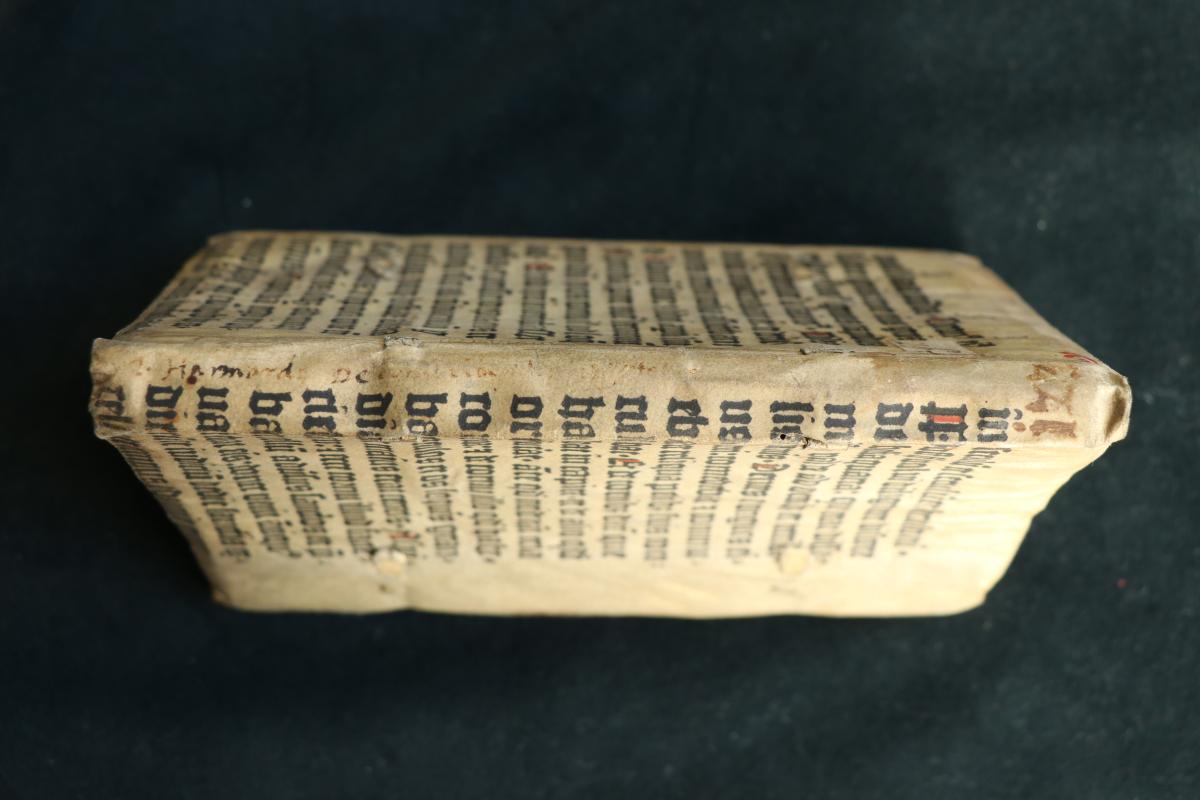
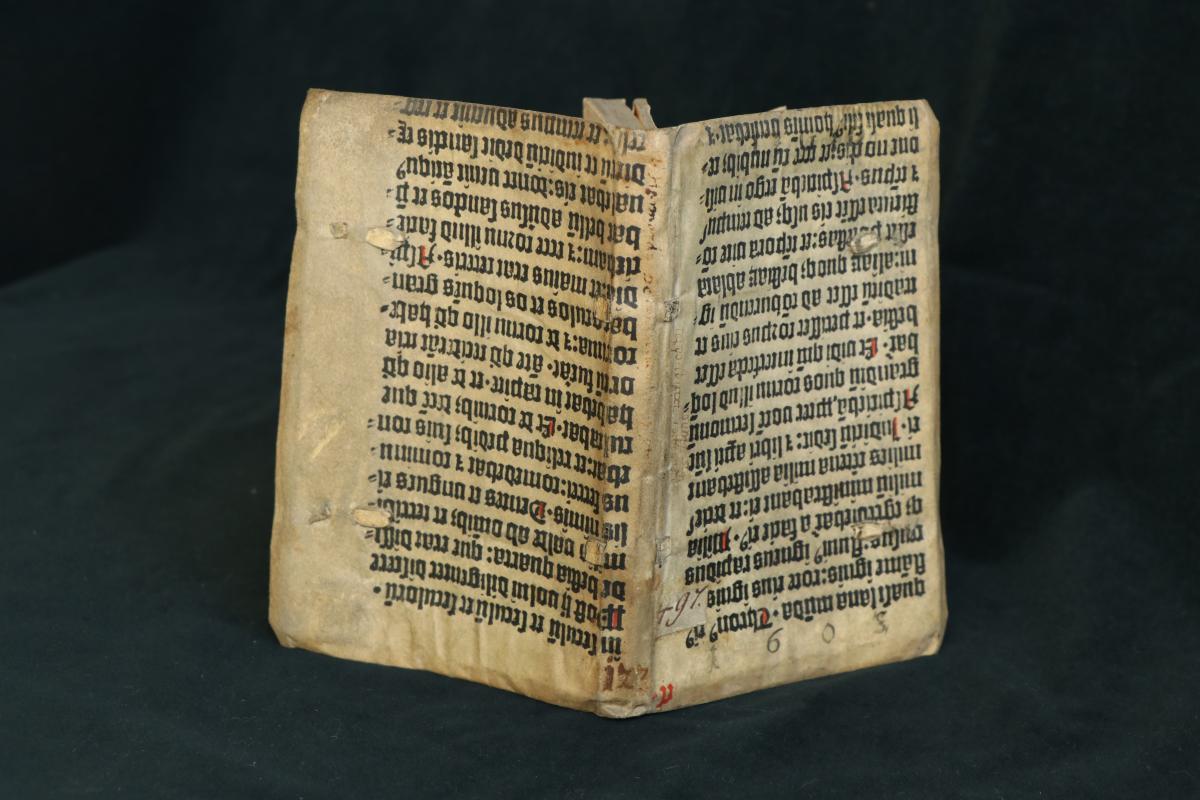
During cataloguing work in the Early Printed Books Archive of the National Széchényi Library, a unique discovery was made: a particularly rare and exceptionally early incunable, a parchment-printed fragment of the so-called 36-line Bible, was identified by the young researcher of the library, Márton Szovák.
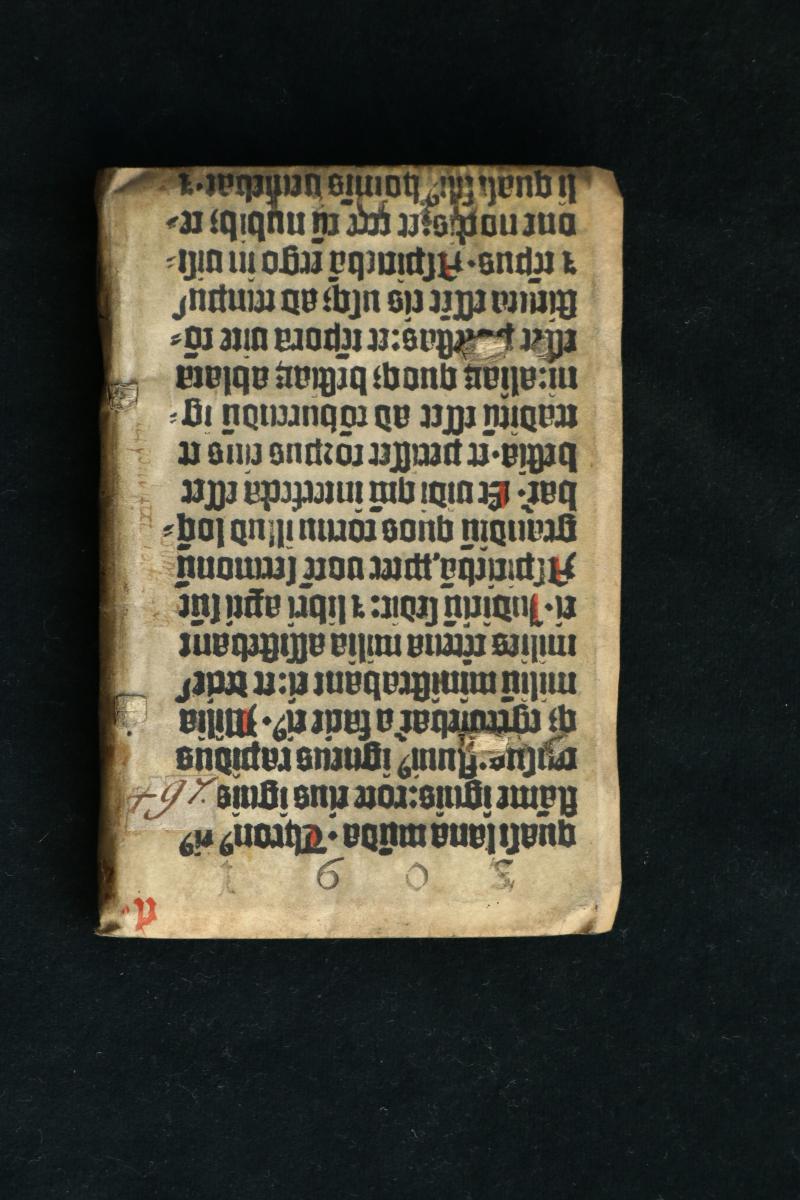
The significance of the discovery lies in the fact that the 36-line Bible is even rarer than the famous 42-line Gutenberg Bible: only 76 copies are known worldwide, and this is only the second known fragment in Hungary. The newly identified leaf contains passages from Chapter 7 of the Book of Daniel and was used upside down as part of a book binding.
The fragment survived as binding material for a sixteenth-century volume: Hannard van Gameren: Authoritates Ciceronis, Plinii et aliorum scriptorum in conscribendis epistolis observandae (Ingolstadt, Alexander and Samuel Weissenhorn, 1566). Research has confirmed that the fragment originates from a copy of the 36-line Bible—an edition printed before 1461 using Johannes Gutenberg’s typeface, commissioned by the Bishop of Bamberg.
The earliest known owner of the volume containing the parchment fragment was Johann Gabler, who studied in Ingolstadt from 1570 and, according to his inscriptions, owned the book in 1574. A later owner’s monogram dated 1605 (I G D) documents the subsequent history of the volume. At the turn of the eighteenth and nineteenth centuries, the work entered the famous collection of Miklós Jankovich (book, antiquities, and art collector; historian, 1772–1846), and through the purchase of this collection it eventually became the property of the national library.
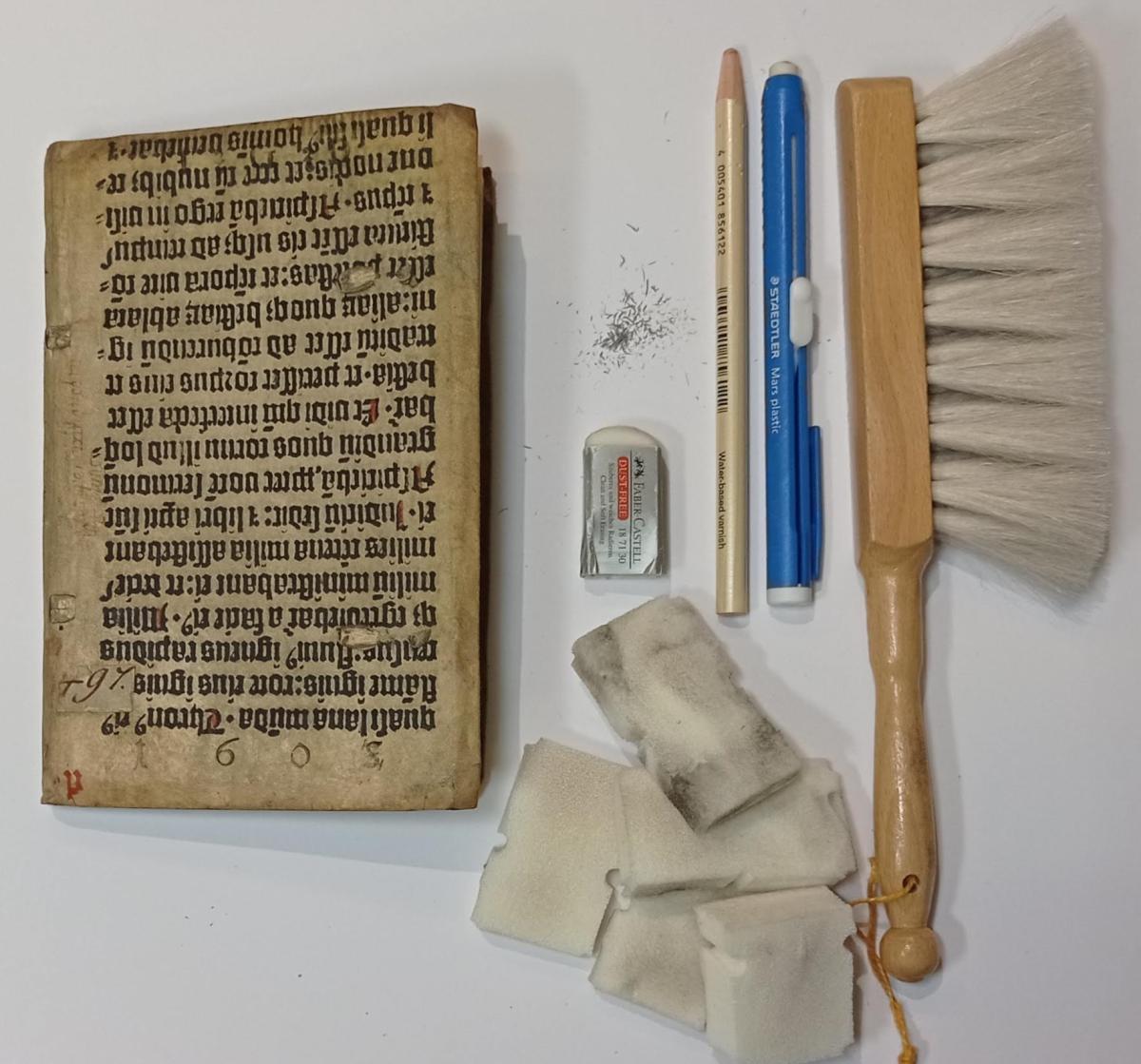
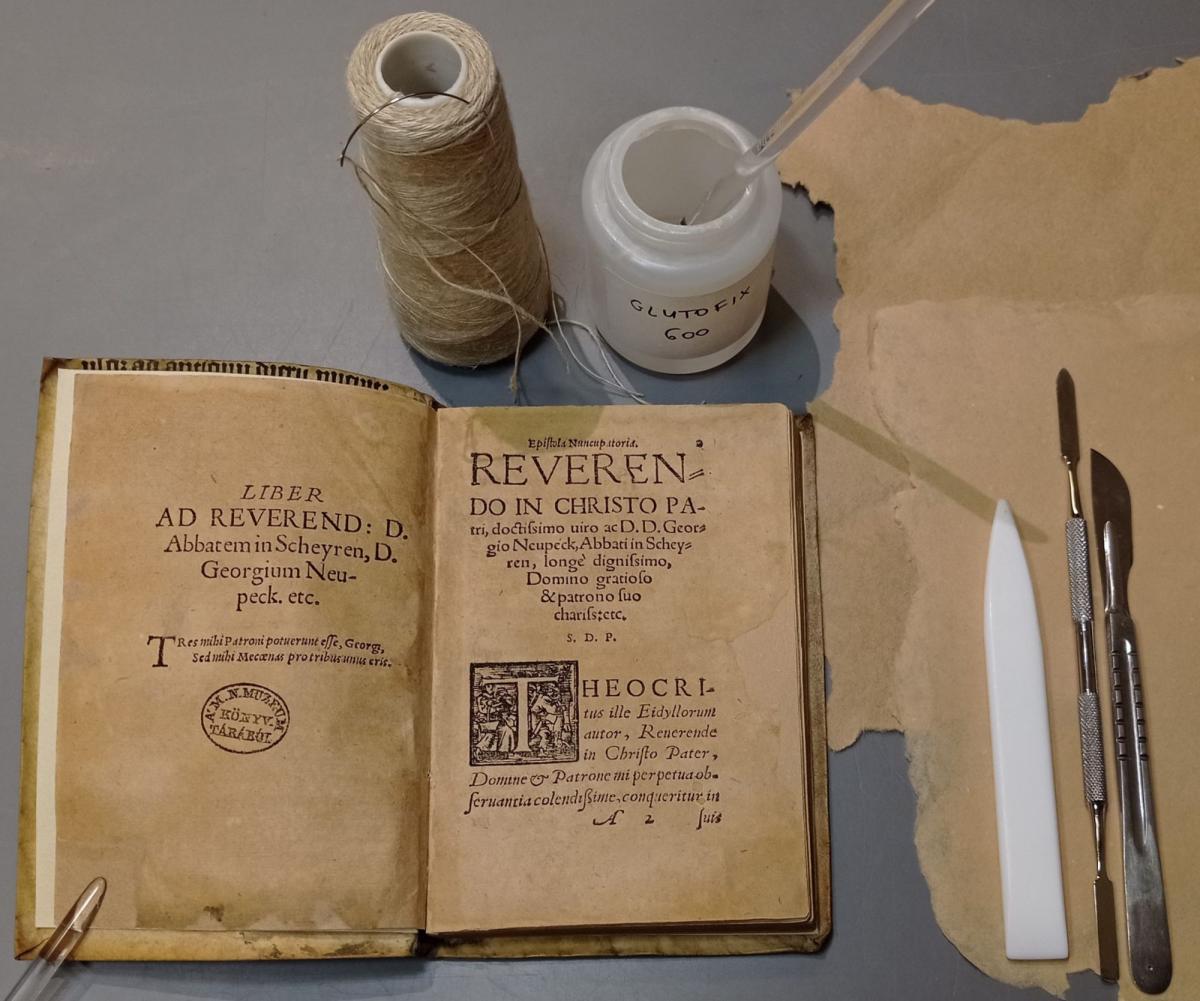
The fragment was discovered at the National Széchényi Library during the online cataloguing of sixteenth-century publications, a process in which bibliographic records are supplemented with the individual characteristics of each copy, including completeness, provenance (that is, previous owners), and special bindings. The importance of the parchment-bound find lies in its direct connection to the early years of book printing and to the legacy of Gutenberg’s workshop. The 36-line Bible is one of the most significant rarities of the early period of printing. Predating even the 42-line Bible, its more rustic typeface evokes Gutenberg’s experimental phase. Commissioned by Bishop Georg von Schaumberg, the initiative provided the parishes of the Bamberg diocese with a standardized biblical text and reflects the spirit of fifteenth-century reform movements.
This recent discovery by the Early Printed Books Archive of the National Széchényi Library highlights not only the value of Hungary’s library treasures but also the fact that new discoveries may still await even on the shelves of already catalogued collections. The newly identified parchment fragment is not merely a typographical rarity but also another remarkable piece of our national cultural heritage, worthy of international attention, evoking both the spirit of Renaissance humanism and Gutenberg’s legacy from the early years of book printing.
DATA OF PUBLIC INTEREST | PRIVACY POLICY | © NSZL 2015–2026

| MENU |

|