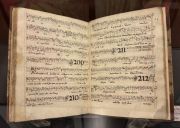
On 20 March 2026, at a press event, the National Széchényi Library (OSZK) announced that it has made freely accessible, via the Copia digital platform, more than 2,600 manuscript items from the Bártfa Collection, which contains outstanding source material of 16th–17th century European sacred music.
 [1]
[1]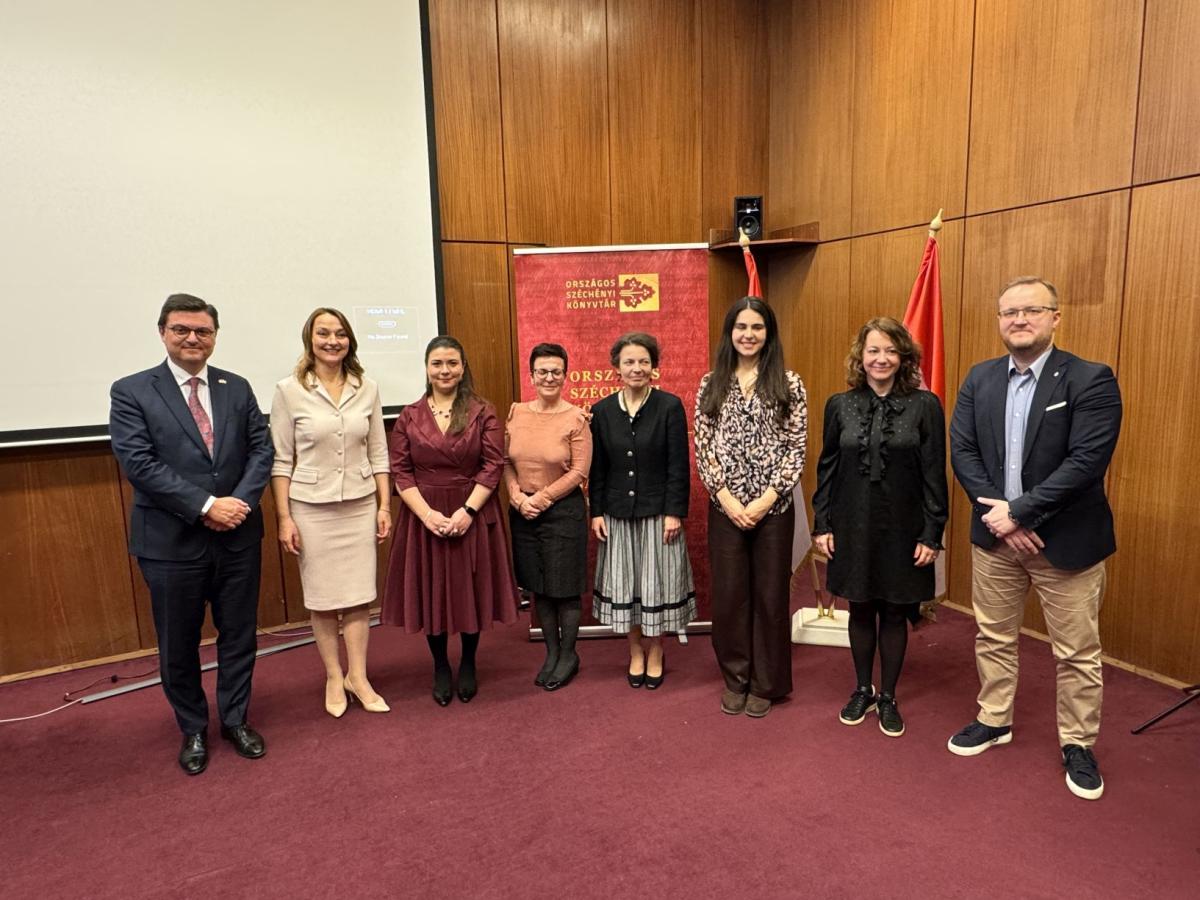 [2]
[2]
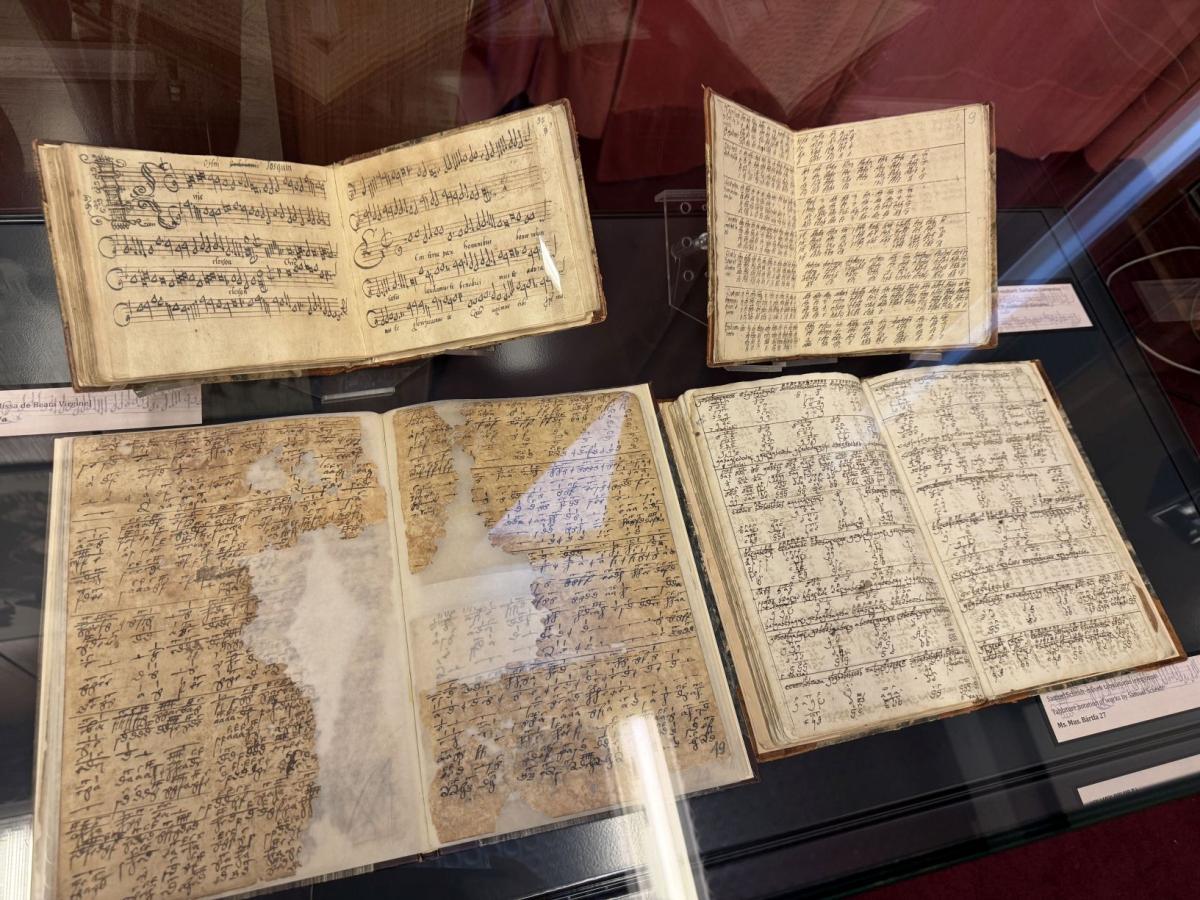
On 20 March 2026, at a press event, the National Széchényi Library (OSZK) announced that it has made freely accessible, via the Copia digital platform, more than 2,600 manuscript items from the Bártfa Collection, [3] which preserves outstanding source material of 16th–17th century European sacred music (primarily from the Low Countries, Germany, and Italy).
The collection is one of the most significant Central European repositories of early music sources from the 16th–17th centuries. It documents the flourishing sacred music practice of St. Egidius Church in Bártfa and represents the earliest coherent archival unit of the Theatre History and Music Collection Department of the national library.
The formation of the collection spans from the mid-16th century to the end of the 17th century, during the golden age of the town of Bártfa. The citizens of the town followed the Lutheran faith and often studied at German universities, especially in Wittenberg. A key figure in its cultural development was Leonart Stöckel (1510–1560), who, during his studies in Wittenberg, established personal connections with Martin Luther and Philipp Melanchthon. In 1539, Stöckel became head of the school in Bártfa, and his work not only elevated the standard of education but also had a direct impact on the European-level musical practice of St. Egidius Church.
 [4]
[4]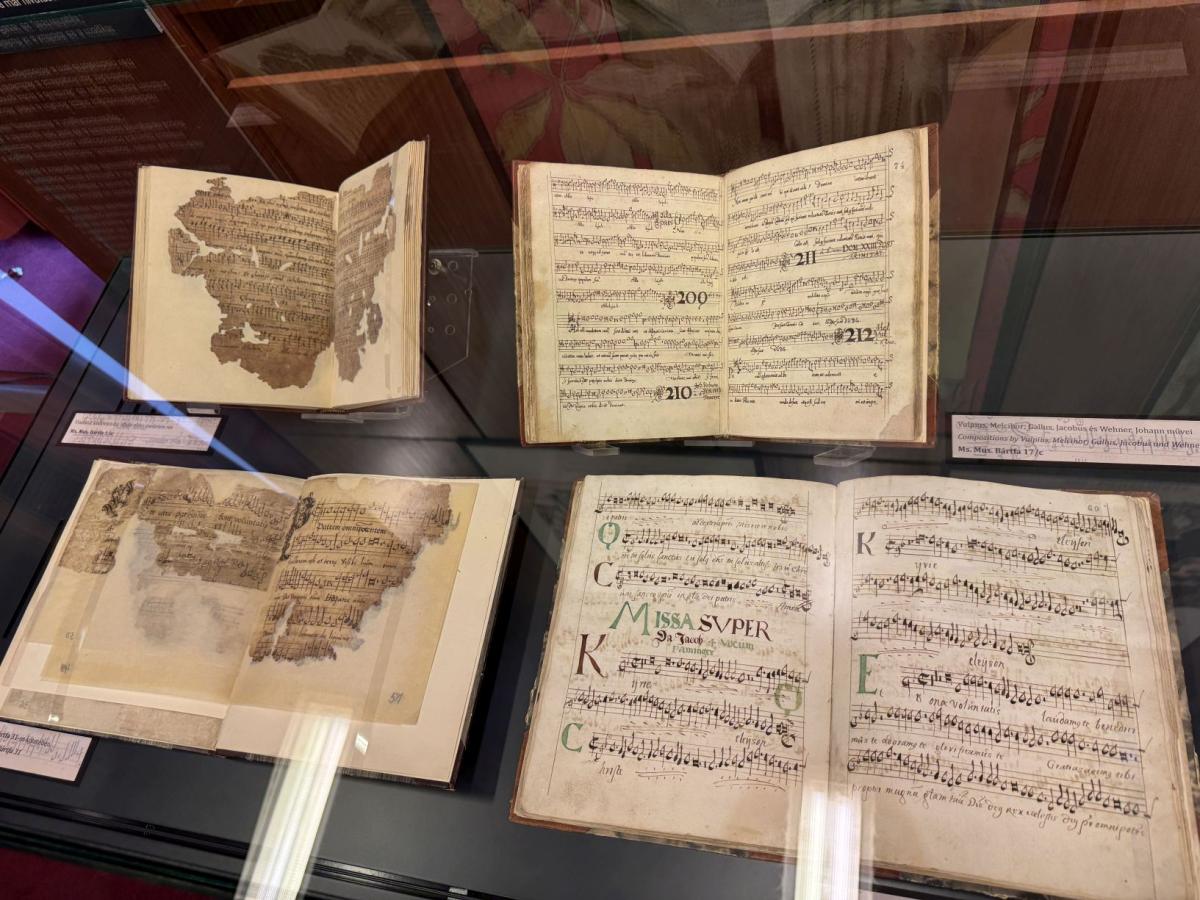 [5]
[5]
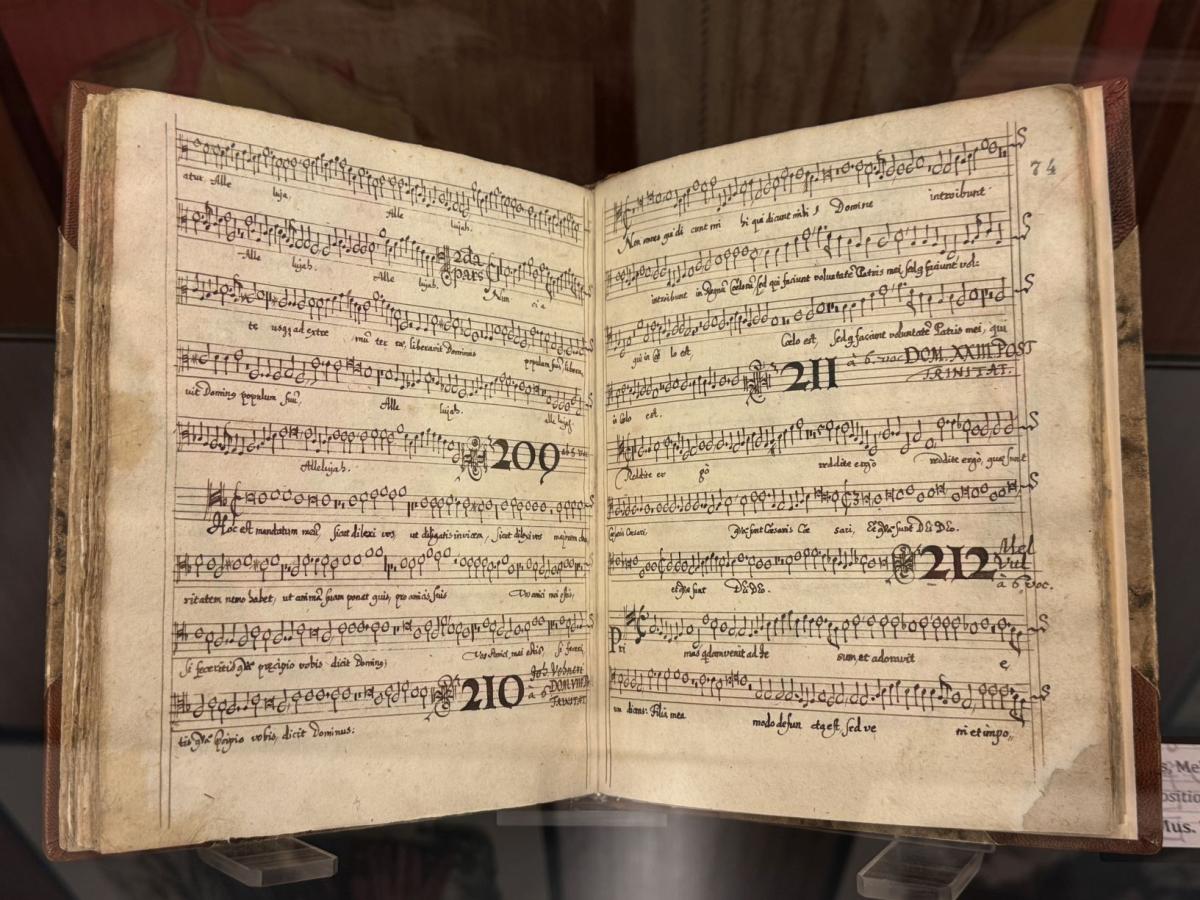
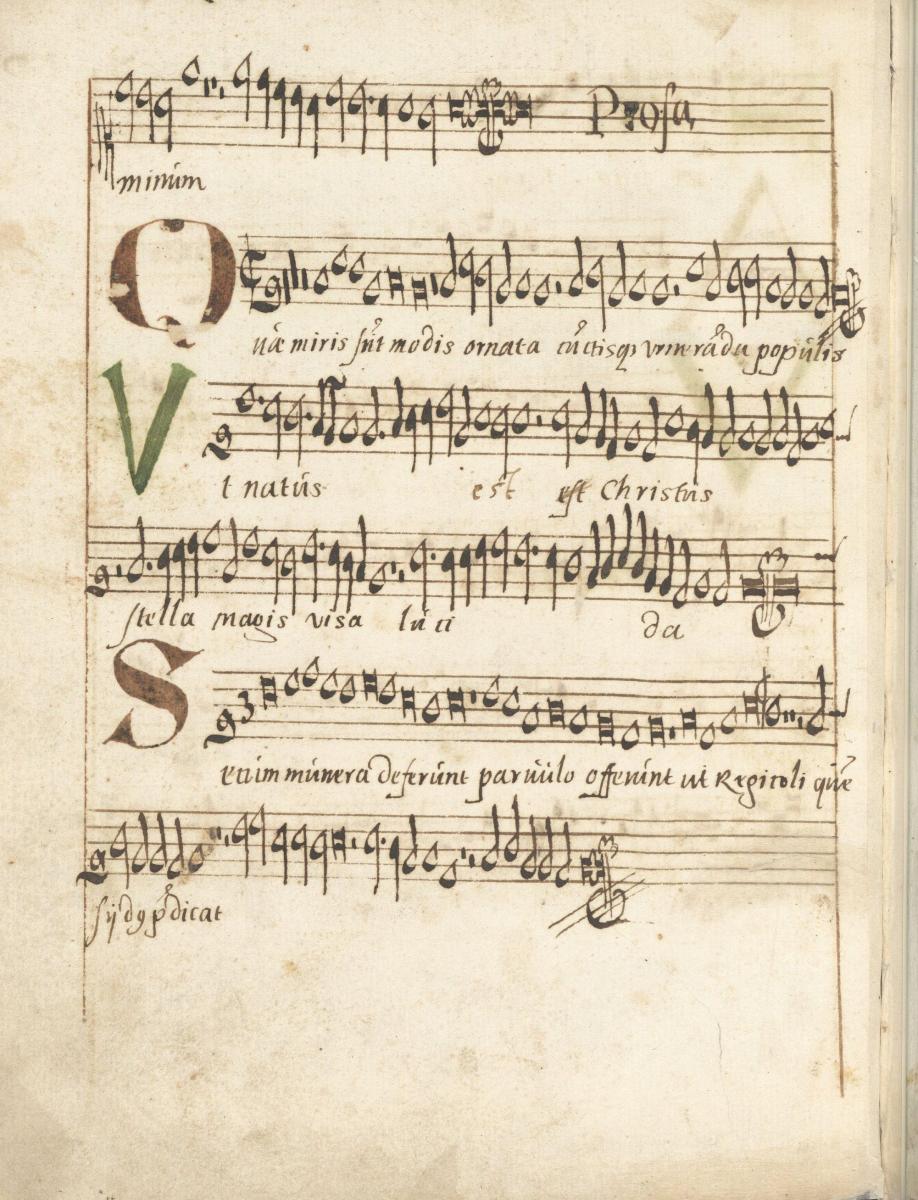
The material originating from the musical score library of the church entered the institution’s collection in 1915. The manuscript and printed partbooks of the time preserved more than 5,000 works from the Low Countries, Germany, Italy, and Upper Hungary, representing the golden age of 16th–17th century vocal polyphony. Most compositions have survived in partbooks, but the collection also includes pieces of secular instrumental and vocal music in the form of parts and tablature notation.
The manuscript portion now published [3] is held under thirty-three shelfmarks, comprising a total of seventy partbooks, and includes several compositions that have survived exclusively in this collection. The online publication of the printed material, consisting of twenty shelfmarks, is expected in the second half of the year.
 [6]
[6]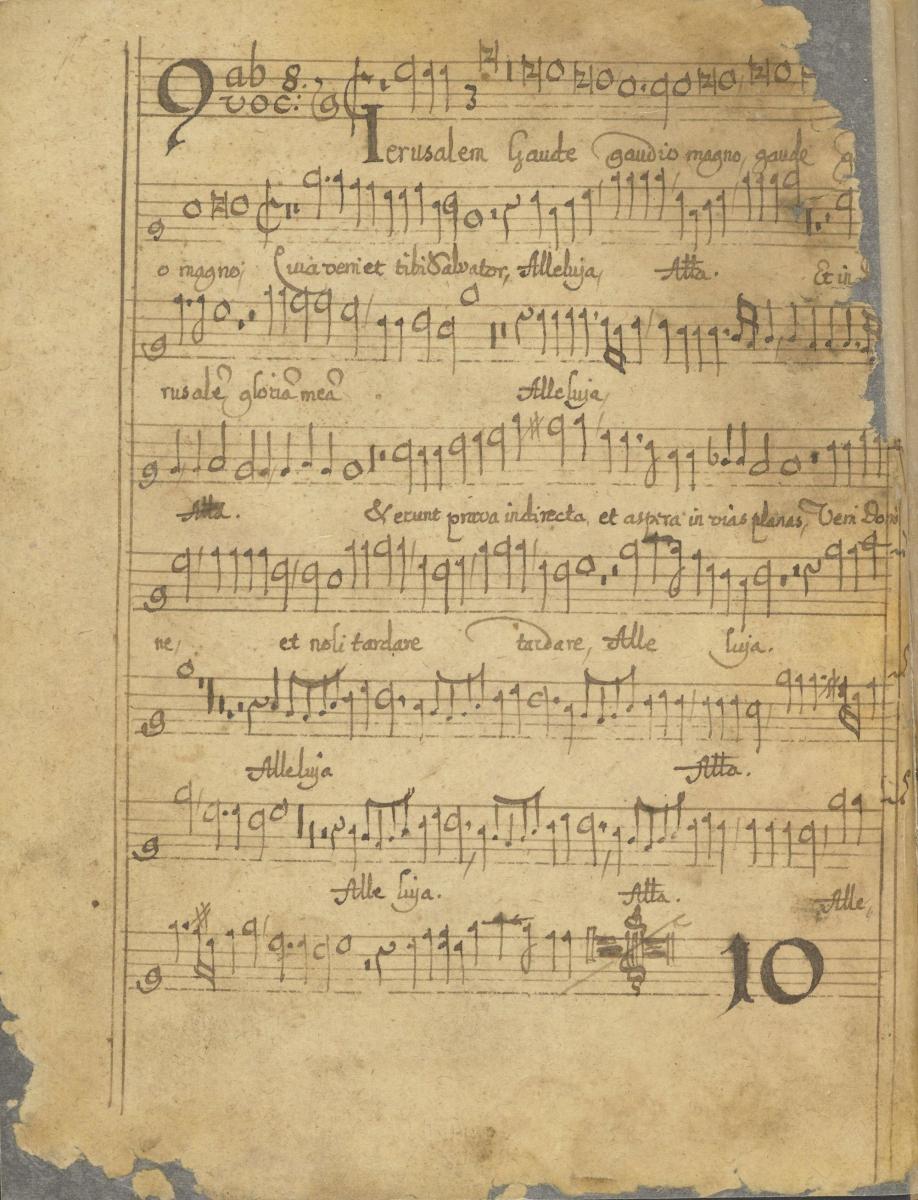 [7]
[7]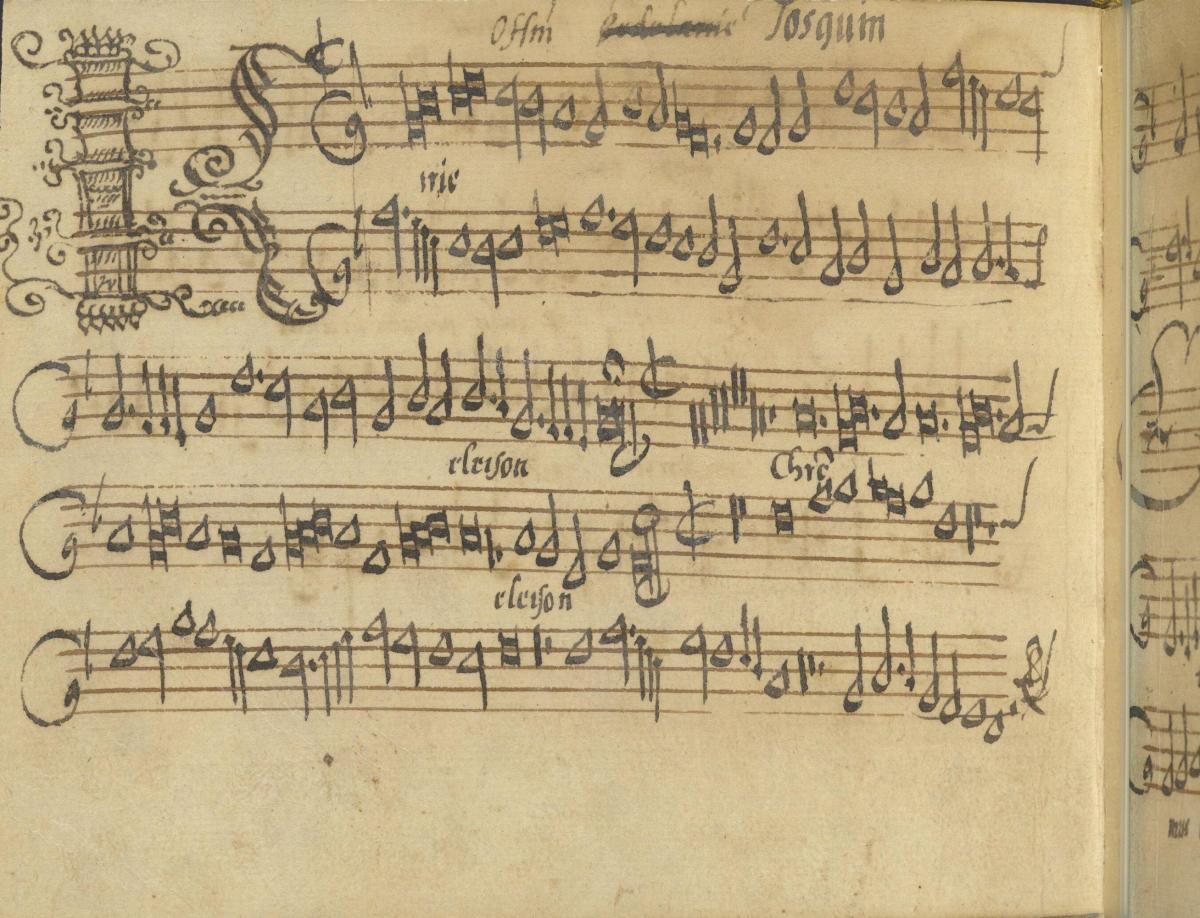 [8]
[8]